
There are few experiences on Earth that can rival the sheer, quiet magic of standing beneath a subarctic sky as ribbons of emerald, violet, and rose light ripple overhead. For travelers and photography enthusiasts alike, the Yukon territory in northwestern Canada stands as a premier destination for witnessing this celestial masterpiece.
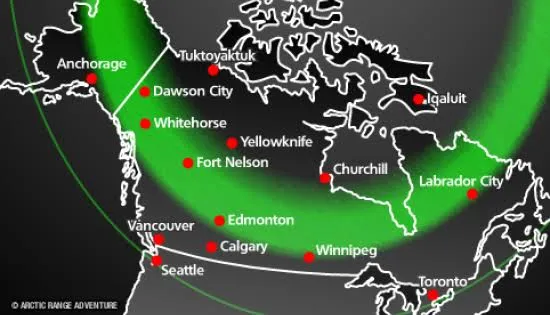
However, catching a brilliant display requires more than just luck. Success depends heavily on understanding data, monitoring atmospheric conditions, and utilizing Yukon’s best aurora forecast tools. Whether you are planning a winter escape or an autumn adventure, mastering the forecast is your first step toward an unforgettable journey.
Why the Yukon is a World-Class Destination for the Northern Lights
Positioned directly beneath the auroral oval, the Yukon benefits from exceptionally clear inland skies, low light pollution, and long periods of darkness. Unlike coastal regions that frequently battle heavy cloud cover rolling in from the ocean, the Yukon’s geography often provides the crisp, stable atmospheric conditions needed for optimal viewing.
Furthermore, the territory’s viewing season is wonderfully long. Stretching from late August through mid-April, visitors can experience the lights against vastly different landscapes—from the vibrant, golden hues of autumn foliage to deep, snow-draped winter wonderlands.
Decoding the Data: How to Read an Aurora Forecast
When checking Yukon’s best aurora forecast, you will encounter several key meteorological and space-weather metrics. Knowing what these terms mean will help you separate a night of faint glows from a full-blown solar storm.
1. The Kp Index (Geomagnetic Activity)
The Kp index measures geomagnetic activity on a scale from 0 to 9.
-
Kp 0–2: Quiet conditions. Auroras are generally confined to higher latitudes or appear quite dim on the horizon.
-
Kp 3–4: Moderate activity. In northern hubs like Whitehorse, this threshold is often enough to trigger active, dancing auroras overhead.
-
Kp 5 and Above: High activity or minor geomagnetic storms. Expect bright, fast-moving curtains of light that may stretch across a vast expanse of the sky.
2. Cloud Cover and Transparency
You can have a Kp index of 9, but if heavy clouds blanket the sky, you won’t see a thing. The most reliable forecasts combine space weather data with localized cloud-cover maps. Look for clear skies (0–25% cloud cover) to maximize your chances.
3. Lunar Phase
While a bright full moon illuminates the snowy Yukon landscape beautifully for photography, its intense light can wash out faint or moderate aurora arcs. For the most vibrant contrast, target dates surrounding the New Moon.
Top Spots in the Yukon to Use Your Forecast
Once you have checked the forecast and confirmed a green light for clear skies and active geomagnetic readings, you’ll want to position yourself away from urban light pollution. Some of the best viewing locations include:
-
Whitehorse Outskirts: Easily accessible areas like Fish Lake, Schwatka Lake, or the heights of Grey Mountain offer wide horizons and dramatic foregrounds just minutes from the capital.
-
Dawson City: Situated further north, the historic Klondike town offers incredible displays. Head up to the Midnight Dome viewpoint for a panoramic look at the valley bathed in northern lights.
-
Kluane National Park and Reserve: For a rugged wilderness experience, the towering mountain peaks around Kathleen Lake provide a breathtaking backdrop for the glowing night sky.
Essential Tips for a Successful Aurora Chasing Trip
To make the most of your forecast data and ensure a comfortable experience, keep these practical tips in mind:
-
Build in a Buffer: Local experts always recommend planning for a stay of at least three nights. Mother Nature doesn’t take reservations, and giving yourself multiple nights drastically improves your odds of catching clear skies and active solar activity.
-
Respect the Prime Window: While auroras can happen anytime it is dark, the peak viewing window typically falls between 10:00 PM and 3:00 AM local time.
-
Dress for the Elements: Winter nights in the Yukon can be intensely cold. Invest in layered thermal wear, insulated boots, and windproof outer shells so you can comfortably stay outside for hours waiting for the peak show.
Conclusion
Chasing the northern lights is a bucket-list adventure that blends patience, timing, and a bit of science. By regularly monitoring Yukon’s best aurora forecast, understanding the Kp index, and aligning your trip with clear skies and dark moon phases, you set the stage for a truly magical encounter. Embrace the crisp subarctic air, keep your camera batteries warm, and prepare to be mesmerized by one of nature’s greatest spectacles.
