
Morocco occupies a unique position in the global travel landscape, simultaneously ancient and contemporary, familiar and utterly foreign, geographically accessible yet culturally transformative. This North African kingdom, where Saharan dunes meet Mediterranean shores and medieval medinas pulse with modern energy, consistently ranks among the world’s most visited destinations for compelling reasons. Morocco trips deliver extraordinary sensory experiences, architectural magnificence, gastronomic adventures, and human warmth that collectively create journeys remaining vivid in memory long after returning home. Whether embarking on first-time explorations or returning to discover hidden depths, Morocco rewards every traveler with layers of beauty, complexity, and authenticity that reveal themselves gradually, ensuring no two visits feel identical.
Imperial Cities: The Soul of Moroccan Civilization
Morocco’s imperial cities form the essential framework around which most successful trips are built. Each city Marrakech, Fes, Meknes, and Rabat possesses distinctive personalities shaped by different historical periods, ruling dynasties, and cultural influences.
Marrakech commands attention through sheer sensory intensity. The Jemaa el-Fnaa square transforms throughout each day morning market, afternoon gathering place, and nocturnal open-air theater where storytellers, musicians, and food vendors create performances lasting until midnight. The surrounding medina houses specialized souks selling everything from hand-hammered copper lanterns to hand-stitched leather babouches. The Bahia Palace and Saadian Tombs reveal aristocratic ambitions, while the Majorelle Garden provides botanical sanctuary where cobalt blue buildings contrast dramatically against desert greenery.
Fes preserves medieval Islamic civilization more completely than almost anywhere globally. The Fes el-Bali medina operates today remarkably as it did centuries ago mules rather than motorcycles navigate narrowest passages, artisans practice identical techniques transmitted through generations, and the medieval urban structure remains essentially intact. The tanneries, madrasas, and ancient mosques create immersive historical experiences that feel less like tourism and more like genuine time travel.
Meknes demonstrates the ambitious vision of Sultan Moulay Ismail, who transformed this city into his 17th-century capital with monumental walls, enormous storage facilities, and the spectacular Bab Mansour gate incorporating spoils from ancient Roman ruins nearby. Volubilis, Morocco’s finest preserved Roman archaeological site, reveals the empire’s North African extent through magnificent mosaic floors and standing triumphal arches creating fascinating historical contrasts with Islamic architecture dominating surrounding landscapes.
Desert Journeys: The Saharan Transformation
The journey toward Morocco’s Sahara Desert represents one of travel’s greatest crescendos landscapes building dramatically toward the ultimate revelation of golden dunes stretching to distant horizons. Most desert-bound Morocco trips traverse the High Atlas via Tizi n’Tichka Pass, whose serpentine ascent through Berber villages and alpine terrain delivers stunning mountain scenery before dramatic descent into pre-Saharan zones.
Aït Benhaddou, the UNESCO-listed fortified ksar located along this route, provides the most complete surviving example of traditional southern Moroccan architecture. This earthen citadel, where families still inhabit ancient structures, has attracted filmmakers for decades though authentic historical significance far surpasses cinematic associations.
The Draa Valley unfolds south of Ouarzazate as an extraordinary ribbon of palm-fringed villages, ancient kasbahs, and traditional communities maintaining agricultural practices developed over centuries. This verdant corridor contrasting with surrounding rocky desert demonstrates how Morocco’s landscapes compress dramatic ecological transitions within manageable distances.
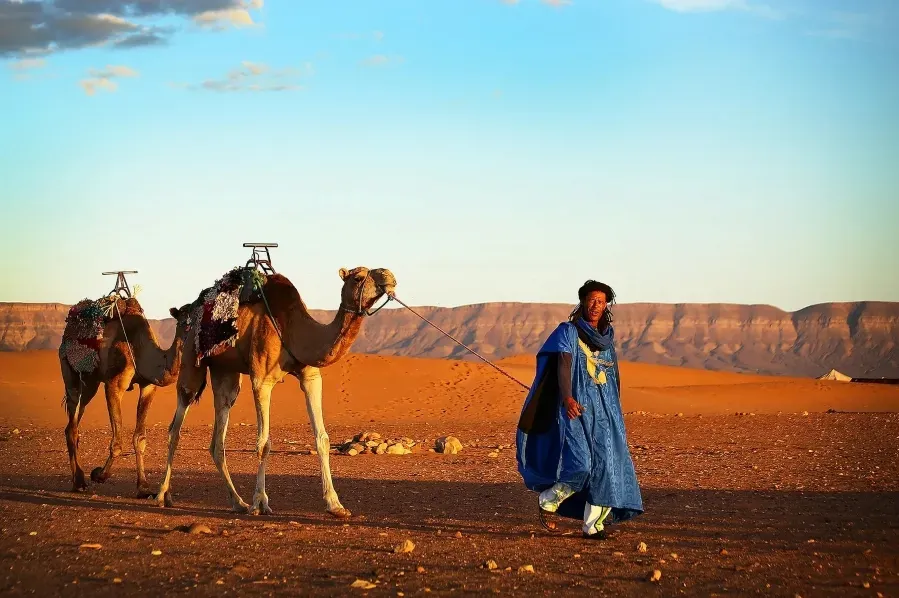
Erg Chebbi near Merzouga delivers the quintessential Saharan experience. Towering dunes some exceeding 150 meters create sculptural horizons that shift subtly with wind while maintaining their magnificent scale. Sunset camel treks, traditional music around campfires, and pre-dawn starts witnessing dunes transform through color progressions from purple through gold create experiences permanently embedded in memory.
Coastal Wonders and Mountain Retreats
Morocco’s coastlines offer dramatically different characters along Atlantic and Mediterranean shores. Essaouira, the windswept Atlantic port town, charms through distinctive blue-and-white architecture, vibrant arts scene, and the Gnawa musical tradition reflecting sub-Saharan African heritage filtered through centuries of Moroccan coastal life. The seasonal kite-surfing community adds contemporary energy to timeless traditions.
Chefchaouen, the legendary Blue Pearl nestled in Rif Mountain foothills, has transcended its original reputation as backpacker discovery to become Morocco’s most photographed destination justifiably so. The countless shades of blue adorning buildings throughout the medina create dreamlike environments where photography becomes obsession and relaxation comes naturally through the town’s unhurried atmosphere.
The Rif and Atlas mountain ranges provide trekking opportunities rivaling more famous destinations. Jebel Toubkal, at 4,167 meters North Africa’s highest peak, challenges serious hikers while rewarding summit achievements with panoramic views extending toward the Sahara. Village-to-village treks through Berber communities reveal traditional mountain cultures increasingly rare in modernizing Morocco.
Culinary Landscapes and Sensory Experiences
Morocco’s cuisine represents sophisticated cultural fusion Berber foundations enriched by Arab, Andalusian, Ottoman, and French influences creating flavor combinations simultaneously complex and deeply comforting. Tagine preparations vary dramatically across regions, with coastal versions emphasizing fresh seafood while mountain communities favor hearty lamb preparations. Couscous remains the national dish Friday ritual, family gathering symbol, and culinary artistry in single preparation.
The spice markets of Marrakech and Fes assault senses pleasurably cumin, saffron, cinnamon, and ras el hanout (the complex spice blend containing 30+ ingredients) create aromatic environments where purchasing becomes inevitable. Argan oil, produced from trees endemic to Morocco’s Souss Valley and twice as valuable as olive oil, appears in cooking, cosmetics, and health preparations revealing Morocco’s unique botanical resources.
Street food culture enriches trip experiences considerably. Msemen flatbreads, harira soup, and fresh-squeezed orange juice from vendors surrounding Jemaa el-Fnaa provide affordable, authentic tastes connecting travelers directly with daily Moroccan food culture rather than tourist-adapted restaurant versions.
Planning Practical Morocco Trips
Morocco’s improving transportation infrastructure makes increasingly complex trips feasible. High-speed train service connects Casablanca, Rabat, and Tangier dramatically reducing journey times. Domestic flights serve major cities while comfortable long-distance buses and grand taxis connect smaller communities. Private vehicle hire with drivers remains optimal for desert journeys and mountain exploration where public transportation proves inadequate.
Currency considerations favor Morocco travelers. The dirham, Morocco’s official currency, provides excellent exchange rates for European and American visitors, making quality accommodation, restaurants, and experiences remarkably affordable compared to European Mediterranean alternatives offering inferior quality.
Timing shapes Morocco trip character profoundly. The shoulder seasons March through May and September through November balance comfortable temperatures with manageable tourist numbers and accessible prices. Ramadan, while spiritually fascinating to witness, requires sensitivity as many restaurants close during daylight hours and social dynamics shift considerably during this important religious observance.
Conclusion
Morocco trips reward travelers who approach this extraordinary kingdom with curiosity, flexibility, and genuine respect for the cultural traditions that make Morocco unlike any other destination. The combination of imperial city sophistication, Saharan desert drama, coastal beauty, mountain adventure, and culinary richness creates journeys satisfying diverse interests while revealing consistent threads Moroccan hospitality, architectural genius, and the remarkable ability to honor ancient traditions while engaging confidently with the contemporary world. Morocco doesn’t merely entertain visitors; it genuinely transforms them through encounters with beauty, human warmth, and cultural depth that continue resonating long after departure gates close behind returning travelers.
Frequently Asked Questions
Q: How many days do I need for a satisfying Morocco trip?
A: Seven days provides a meaningful introduction covering Marrakech, Fes, and brief desert exposure. Ten to fourteen days allows more comprehensive exploration adding Chefchaouen, coastal destinations like Essaouira, and complete Saharan immersion. Month-long trips reward slow travelers discovering Morocco’s extraordinary depth through repeated engagement with places and people.
Q: What is the best time to visit Morocco?
A: Spring (March-May) and autumn (September-November) offer optimal conditions with comfortable temperatures throughout the country. Summer brings extreme desert heat though coastal areas remain pleasant. Winter provides comfortable city and desert temperatures while mountain passes occasionally close due to snowfall. Each season presents distinct advantages and trade-offs.
Q: Is Morocco safe for tourists?
A: Yes, Morocco consistently ranks among Africa’s safest tourist destinations. The country maintains stable governance, established tourism infrastructure, and generally welcoming attitudes toward visitors. Standard precautions staying aware in crowded areas, using reputable operators, avoiding isolated locations at night ensure overwhelmingly positive experiences. Women travelers benefit from dressing modestly to avoid unwanted attention.
Q: Do I need a visa for Morocco?
A: Citizens of most Western countries including the United States, European Union nations, United Kingdom, Canada, and Australia do not require advance visas, receiving 90-day tourist entry upon arrival. Other nationalities should verify requirements through Moroccan embassy websites as policies vary and occasionally change.
Q: What currency does Morocco use and how should I handle money?
A: Morocco uses the Moroccan dirham (MAD). Currency exchange at airports and banks offers reliable rates while ATMs throughout cities provide convenient cash access. Credit cards are accepted at hotels and upscale restaurants but cash remains essential for souks, street food, and smaller establishments. Budgeting approximately 100-200 dirhams daily for meals and incidentals proves reasonable for mid-range travelers.
