
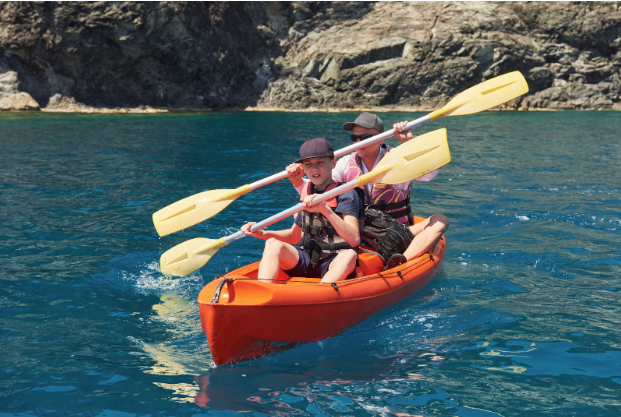
Water rafting is an exhilarating and thrilling outdoor activity that has gained immense popularity in recent years. The adrenaline-fueled experience of navigating through powerful rapids, surrounded by stunning natural landscapes, is hard to match. However, as with any adventure sport, water rafting comes with its own set of risks and safety considerations. In this comprehensive guide, we’ll explore the essential gear, techniques, and precautions that every water rafting enthusiast should be aware of to ensure a safe and enjoyable experience.
The Importance of Proper Water Rafting Gear
Equipped with the right gear, water rafting becomes a far safer and more comfortable endeavor. At the core of your equipment is the life jacket, or personal flotation device (PFD). A properly fitted PFD is critical for keeping you afloat and protected in the event of an unexpected fall or capsize. Look for a PFD that is Coast Guard-approved and designed specifically for water sports.
In addition to the PFD, other essential water rafting gear includes a sturdy helmet to protect your head, a wet suit or splash jacket to keep you warm in cooler waters, and non-slip water shoes or sandals to prevent slipping on the raft. Bringing a waterproof dry bag to store any extra clothing, snacks, and personal items is also highly recommended.
Mastering Water Rafting Techniques
Successful water rafting is not just about having the right gear; it’s also about developing the proper techniques and skills. One of the most fundamental skills is learning how to paddle effectively. Proper paddling technique involves keeping your paddle blade perpendicular to the water, using a powerful yet controlled stroke, and coordinating with your fellow rafters to maintain stability and momentum.
Another crucial technique is learning how to navigate through rapids safely. This involves scouting the river ahead, identifying potential hazards, and guiding the raft through the most favorable lines. Knowing how to brace yourself against the force of the water and how to respond in the event of a flip or capsize can also make a significant difference in your safety and enjoyment.
Staying Safe: Precautions and Emergency Preparedness
While water rafting can be an exhilarating experience, it’s important to remember that it also carries inherent risks. To minimize these risks and ensure a safe and responsible adventure, it’s essential to follow a few key precautions:
- Always use a reputable and licensed water rafting outfitter or guide service, as they have the expertise and equipment to navigate the river safely.
- Adhere to all safety instructions and guidelines provided by your guide or outfitter, and never deviate from the designated route or instructions.
- Stay hydrated and be aware of the signs of heat exhaustion or hypothermia, especially in extreme weather conditions.
- Familiarize yourself with basic water rescue techniques, such as how to perform a self-rescue or assist a fellow rafter in distress.
- Carry a waterproof first-aid kit and ensure that someone in your group has basic first-aid training.
By following these essential safety precautions and being prepared for the unexpected, you can maximize your enjoyment and minimize the risks associated with water rafting.
Conclusion
By investing in the right gear, mastering the necessary techniques, understanding river dynamics, and following essential precautions, you can ensure a fun and responsible water rafting experience that will create lasting memories. So, whether you’re a seasoned adventurer or a first-time rafter, embrace the excitement of the rapids and prioritize your safety for an unforgettable water rafting journey.
