
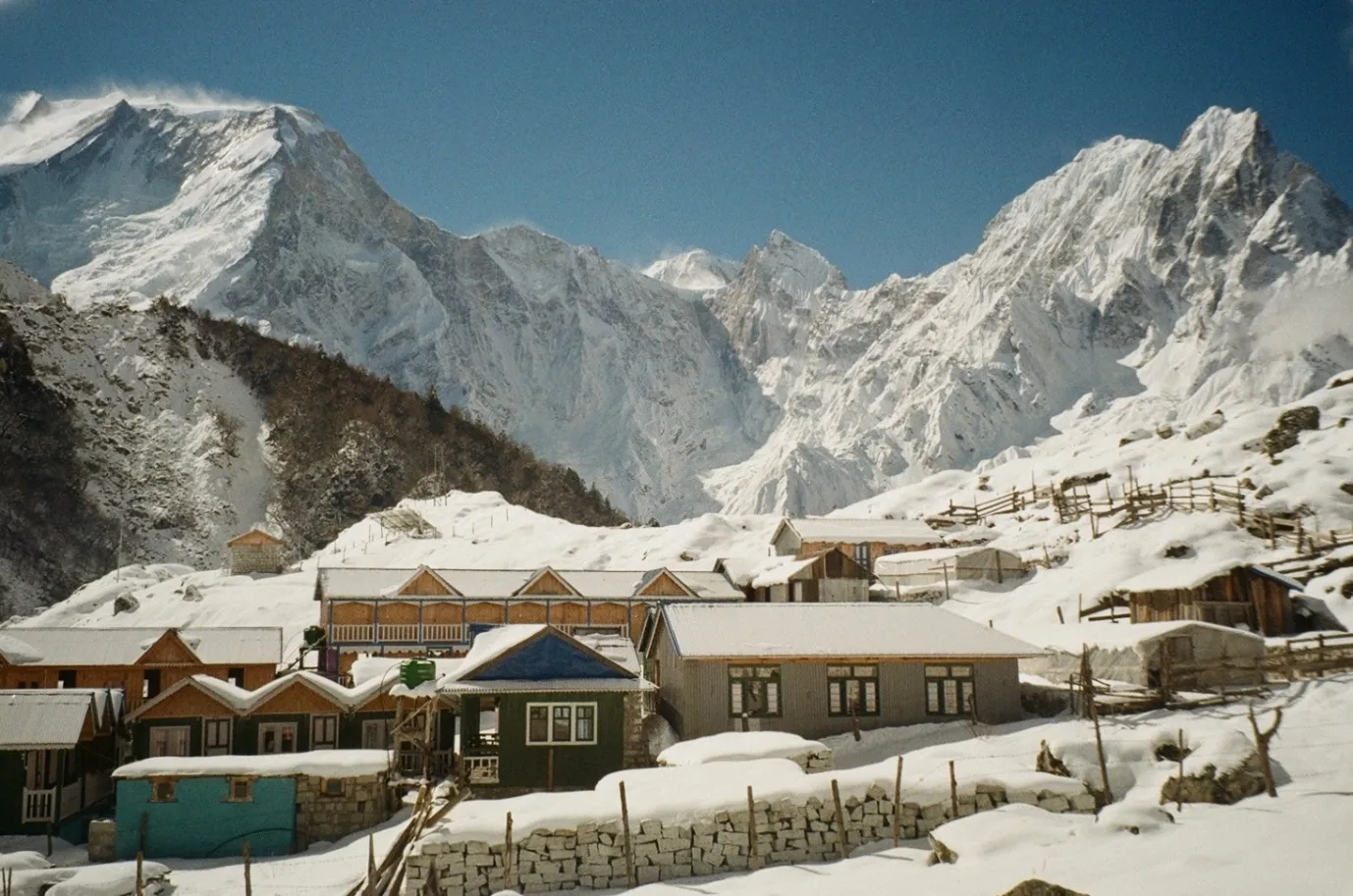
Nepal is famous for its spectacular trekking routes, attracting thousands of adventurers every year. While spring and autumn remain the most popular trekking seasons, many travelers overlook the incredible opportunities available during winter. In reality, winter treks in Nepal offer stunning mountain views, peaceful trails, and unique cultural experiences that are difficult to find during peak trekking seasons.
From snow-covered landscapes to crystal-clear skies, winter transforms Nepal’s trekking regions into a breathtaking wonderland. Trekkers who venture into the Himalayas during this season often enjoy a more authentic and tranquil experience while avoiding the crowds that dominate popular trails during autumn.
Why Choose Winter Treks in Nepal?
Winter trekking in Nepal offers several advantages that appeal to both experienced trekkers and first-time visitors. One of the biggest benefits is the exceptional visibility. The dry winter air creates clear skies, allowing trekkers to enjoy uninterrupted views of the Himalayan peaks.
Popular trekking routes become significantly less crowded, making the trails quieter and more peaceful. Tea houses and lodges also have greater availability, allowing trekkers to enjoy a more relaxed journey.
Another advantage is the opportunity to experience mountain villages during a quieter time of year. Visitors can interact more closely with local communities and gain a deeper understanding of life in the Himalayas.
Best Winter Treks in Nepal
Langtang Valley Trek
The Langtang Valley Trek is one of the most rewarding winter trekking destinations in Nepal. Located close to Kathmandu, the route offers stunning mountain scenery, rich Tamang culture, and beautiful alpine landscapes.
During winter, the valley often becomes covered in snow, creating a magical atmosphere. Trekkers can enjoy spectacular views of Langtang Lirung and the surrounding peaks while exploring traditional mountain villages and monasteries.
Ghorepani Poon Hill Trek
The Ghorepani Poon Hill Trek remains an excellent choice during winter. The route stays accessible throughout most of the season and rewards trekkers with breathtaking sunrise views over the Annapurna and Dhaulagiri mountain ranges.
Because the trek reaches moderate elevations, it is suitable for travelers who want to experience Nepal’s winter beauty without facing extreme high-altitude conditions.
Annapurna Base Camp Trek
The Annapurna Base Camp Trek offers a unique winter experience for adventure seekers. Snow-covered mountains, frozen landscapes, and fewer trekkers create a peaceful environment along the trail.
Reaching Annapurna Base Camp during winter provides unforgettable views of some of the highest peaks in the Annapurna region.
Everest View Trek
Travelers who want to experience the Everest region without committing to the full Everest Base Camp Trek often choose the Everest View Trek. Winter provides excellent visibility, allowing trekkers to enjoy spectacular views of Mount Everest, Ama Dablam, and other iconic Himalayan peaks.
Winter Weather and Preparation
Winter temperatures can be cold, especially at higher elevations. Trekkers should prepare with proper clothing, including insulated jackets, thermal layers, gloves, and warm sleeping gear.
Although many trekking routes remain open throughout winter, heavy snowfall may occasionally affect high mountain passes. Choosing an appropriate itinerary and working with experienced guides can help ensure a safe and enjoyable trekking experience.
Proper preparation allows trekkers to fully appreciate the beauty and tranquility of Nepal’s winter landscapes.
Monsoon Treks in Nepal: A Different Kind of Adventure
While winter offers clear skies and snowy landscapes, monsoon treks in Nepal provide a completely different experience. The monsoon season typically lasts from June to August and transforms the countryside into a vibrant green paradise.
Many trekkers assume that trekking is impossible during the rainy season. However, several regions remain ideal for trekking and offer unique advantages that make monsoon travel worthwhile.
Benefits of Monsoon Trekking
Monsoon rains bring life to Nepal’s forests, rivers, and valleys. Hillsides become covered in lush vegetation, waterfalls flow at full strength, and wildflowers bloom across the landscape.
The trails are generally much quieter than during peak trekking seasons, giving travelers a greater sense of solitude and connection with nature.
Photographers often appreciate the dramatic cloud formations and rich colors that characterize the monsoon season. The scenery appears fresh, vibrant, and full of life.
Best Monsoon Treks in Nepal
Upper Mustang Trek
Upper Mustang is one of Nepal’s best monsoon trekking destinations because it lies within the Himalayan rain-shadow region. The area receives very little rainfall, allowing trekkers to explore its unique desert-like landscapes even during the monsoon months.
Ancient monasteries, traditional Tibetan culture, and dramatic cliffs make Upper Mustang a remarkable destination.
Nar Phu Valley Trek
The Nar Phu Valley Trek also benefits from its location in a relatively dry area. This remote route offers rugged mountain scenery, authentic cultural experiences, and fewer visitors than Nepal’s more popular trekking regions.
Trekkers seeking adventure and solitude often find Nar Phu Valley particularly rewarding during the monsoon season.
Upper Dolpo Trek
Upper Dolpo is another excellent monsoon trekking destination. The region’s remote location and rain-shadow geography make it accessible when many other trekking routes experience heavy rainfall.
The landscapes, ancient traditions, and untouched wilderness create one of Nepal’s most extraordinary trekking experiences.
Choosing Between Winter and Monsoon Treks
Both winter and monsoon trekking seasons offer unique advantages. Winter provides crystal-clear mountain views, snow-covered landscapes, and peaceful trails. Monsoon trekking delivers lush greenery, dramatic scenery, and fewer crowds.
Travelers seeking panoramic mountain views may prefer winter, while nature lovers and photographers often appreciate the vibrant beauty of the monsoon season.
Ultimately, the best choice depends on personal preferences, trekking goals, and the type of experience travelers hope to enjoy.
Conclusion
Nepal’s trekking opportunities extend far beyond the traditional spring and autumn seasons. Winter treks in Nepal offer incredible mountain views, peaceful trails, and unforgettable Himalayan landscapes. At the same time, monsoon treks in Nepal reveal lush green valleys, vibrant ecosystems, and unique cultural experiences.
Whether you choose the snowy beauty of winter or the refreshing greenery of the monsoon, Nepal provides extraordinary adventures throughout the year. Exploring the Himalayas during these less crowded seasons often leads to some of the most memorable and rewarding trekking experiences imaginable.
Plan Your Nepal Trek with Local Expertise:
If you are planning to hike or trek in Nepal and want honest guidance, well-paced itineraries, and deep local Himalayan knowledge, feel free to get in touch.
WhatsApp / Contact: +977 9851205116
Gmail: ebchike99@gmail.com
